How to Buy a Classic Secondhand Without Inheriting Someone Else Fit
Quick Answer: Secondhand classics are the best value in fashion and the easiest place to waste money. The rules are different from buying new: fabric and construction age well, elastic and adhesive interfacing do not, and a garment moulds permanently to its previous wearer at the shoulder, elbow, and seat. Check shoulder fit first (unalterable), then lining, then armpits and elbows, then hardware. Buy for wool, silk, and structured tailoring; be far more careful with anything containing stretch, and price the alterations before you buy, not after.
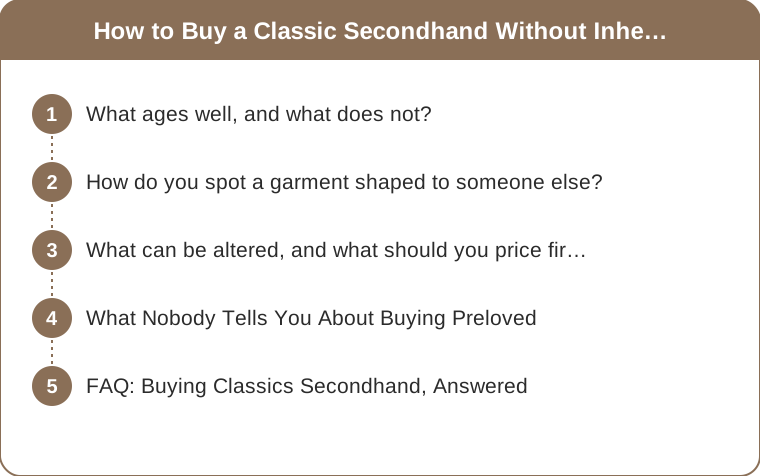
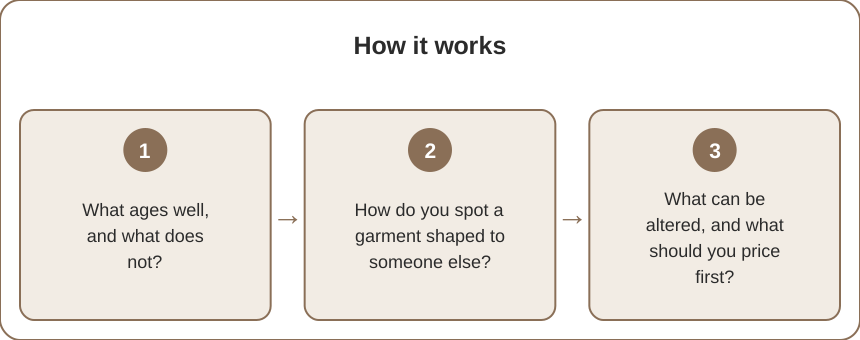
What ages well, and what does not?
Wool improves or holds steady. A good wool coat at twenty years old is frequently better than a new mid-market one, because the cloth was heavier and the construction was more generous.
Silk is a genuine gamble. It weakens with light exposure and perspiration, and the damage is invisible until the fabric splits at a seam or under the arm. Check those areas in strong light.
Structured tailoring holds its shape if it was canvassed. A floating canvas front outlives its owner; a fused one eventually bubbles and delaminates, and there is no repair for it.
Anything with elastane is the highest risk. Stretch degrades on a timescale of years regardless of wear, which is why a stretch-blend garment from 2005 has usually lost its recovery even if it was never worn.
Leather divides sharply. Well-kept leather softens and improves; neglected leather dries and cracks irreversibly. Bend a section - if it creases sharply and stays creased, walk away.
And knitwear depends entirely on the fibre. Good wool and cashmere can be revived with washing and de-pilling; acrylic that has gone hard and shiny cannot be brought back.
Hardware is usually the cheapest fix. Zips and buttons are straightforwardly replaceable, so a broken zip on excellent cloth is an opportunity rather than a problem.
How do you spot a garment shaped to someone else?
Shoulders are the decisive check, and they are the first one to make. A jacket that has moulded to another set of shoulders shows a soft impression at the seam even off the body - and the shoulder is unalterable, so this is a stop condition.
Look at the elbows on any jacket or coat. Permanent elbow bagging means the garment held one arm position for years, and it will not press out.
Check the seat of trousers and skirts in daylight. A shine or a distinct seat impression is set into the fibre and cannot be removed.
Look for asymmetry. Most people carry a bag on one side and stand on one hip, and a long-worn garment records that - one shoulder slightly dropped, one hem hanging lower.
Check the buttonholes and the button positions. Buttons that have been moved leave visible marks, and they tell you the previous owner altered the fit substantially in a direction that may not be yours.
And look at the lining before the outside. The lining fails first and tells you how the garment was actually worn - a shredded armhole lining with a pristine exterior means heavy wear and careful presentation.
What can be altered, and what should you price first?
Waist, hem, and sleeve length are routine. Budget a modest sum for each, and treat them as expected costs rather than deal-breakers.
Taking in a jacket at the side seams is straightforward. Letting one out depends entirely on the seam allowance, so turn the seam and look before you assume it can be enlarged.
Shoulders are effectively not alterable. This is the whole reason the shoulder check comes first - everything else is negotiable and this is not.
Relining is worth it on good cloth. It costs meaningfully more than a hem but rescues an otherwise excellent garment, and a shredded lining is a strong argument for a lower price.
Trouser rise cannot really be changed. A rise that sits wrong cannot be moved without recutting the garment, so it belongs on the unalterable list alongside shoulders.
Price the alterations before you pay. A bargain coat plus relining plus a hem plus a sleeve shortening is frequently no longer a bargain, and that sum is worth doing in the shop.
And factor in cleaning. Some secondhand pieces need professional cleaning before they can be worn at all, which is a real line in the total.
What Nobody Tells You About Buying Preloved
Sizing labels from previous decades are close to meaningless. Sizes have drifted substantially over time, and a vintage size will rarely correspond to your current one in either direction. Measure the garment, not the label.
Smell is the deal-breaker nobody mentions. Smoke and mustiness in wool are extremely persistent, and some of it never comes out. Smell the armpits and the lining before anything else.
Moth damage hides in the folds. Check under the collar, inside the cuffs, and along the seat in strong light - small holes cluster in the places that are least aired.
The best pieces are often mislabelled or badly photographed online. Poor listings suppress the price on genuinely good garments, which is where most of the value in online secondhand actually sits.
Buy out of season. Coats in June and linen in November are consistently the cheapest, and the stock is better because nobody is competing for it.
And be willing to leave a beautiful thing behind. The hardest discipline in secondhand shopping is walking away from good cloth in the wrong shoulder - which is exactly the purchase people most regret.
FAQ: Buying Classics Secondhand, Answered
What should I check first on a secondhand jacket?
The shoulder fit, because it is the one thing that cannot be altered. Then the lining, the armpits and elbows, and finally the hardware.
What secondhand pieces are the best value?
Wool coats, structured tailoring, and good knitwear. The cloth and construction of older garments in these categories frequently exceed new mid-market equivalents.
What should I avoid buying preloved?
Anything with significant elastane, because stretch degrades over years regardless of wear. Be cautious with silk, which weakens invisibly from light and perspiration.
How do I know if a blazer is canvassed or fused?
Pinch the front panel between finger and thumb - a canvassed jacket has a distinct floating layer that moves independently. Fused fronts eventually bubble, and that is not repairable.
Do vintage sizes match modern ones?
No. Sizing has drifted substantially over the decades. Measure the garment itself and compare to something you own that fits.
Is it worth relining a coat?
On genuinely good cloth, yes - and a shredded lining is strong leverage on the price. Price it before you buy rather than after.
What is the most common secondhand regret?
Buying beautiful fabric in the wrong shoulder. Everything else can be negotiated with a tailor, and that one cannot.
TL;DR:
- Shoulders first, always. Unalterable, so it is a stop condition rather than a negotiation.
- Wool, structured tailoring, and good knitwear age well. Elastane does not, and silk fails invisibly at the seams and underarms.
- Canvassed fronts outlive their owners; fused fronts bubble and cannot be repaired. Pinch the lapel to tell.
- Look for a garment shaped to someone else - moulded shoulders, bagged elbows, a shiny seat, asymmetric hems.
- Read the lining first. It fails earliest and tells you how the piece was actually worn.
- Price the alterations in the shop. Relining plus hem plus sleeves can undo the bargain entirely.
- Measure, never trust vintage sizing. Smell the lining and armpits before anything else.
- Buy out of season - coats in June, linen in November.
Keep Reading
This article is for general styling and informational purposes only. Trends, sizing, availability and pricing may vary by brand and season.