How to Tell a Classic Blazer From a Trend Piece Before You Buy It
Quick Answer: A genuinely classic blazer has a moderate lapel width, a single-breasted or simple double-breasted front, minimal hardware, and a fit close to the body without extreme shoulder padding or an exaggerated silhouette — anything with a very specific detail tied to a current trend cycle is a trend piece, not a timeless staple, regardless of marketing language.
‘Investment piece’ and ‘timeless classic’ show up on blazer product pages regardless of whether the actual design will look dated in 18 months. Learning to spot the actual signals takes the guesswork out of it.
What actually makes a blazer’s silhouette ‘classic’ versus trendy?
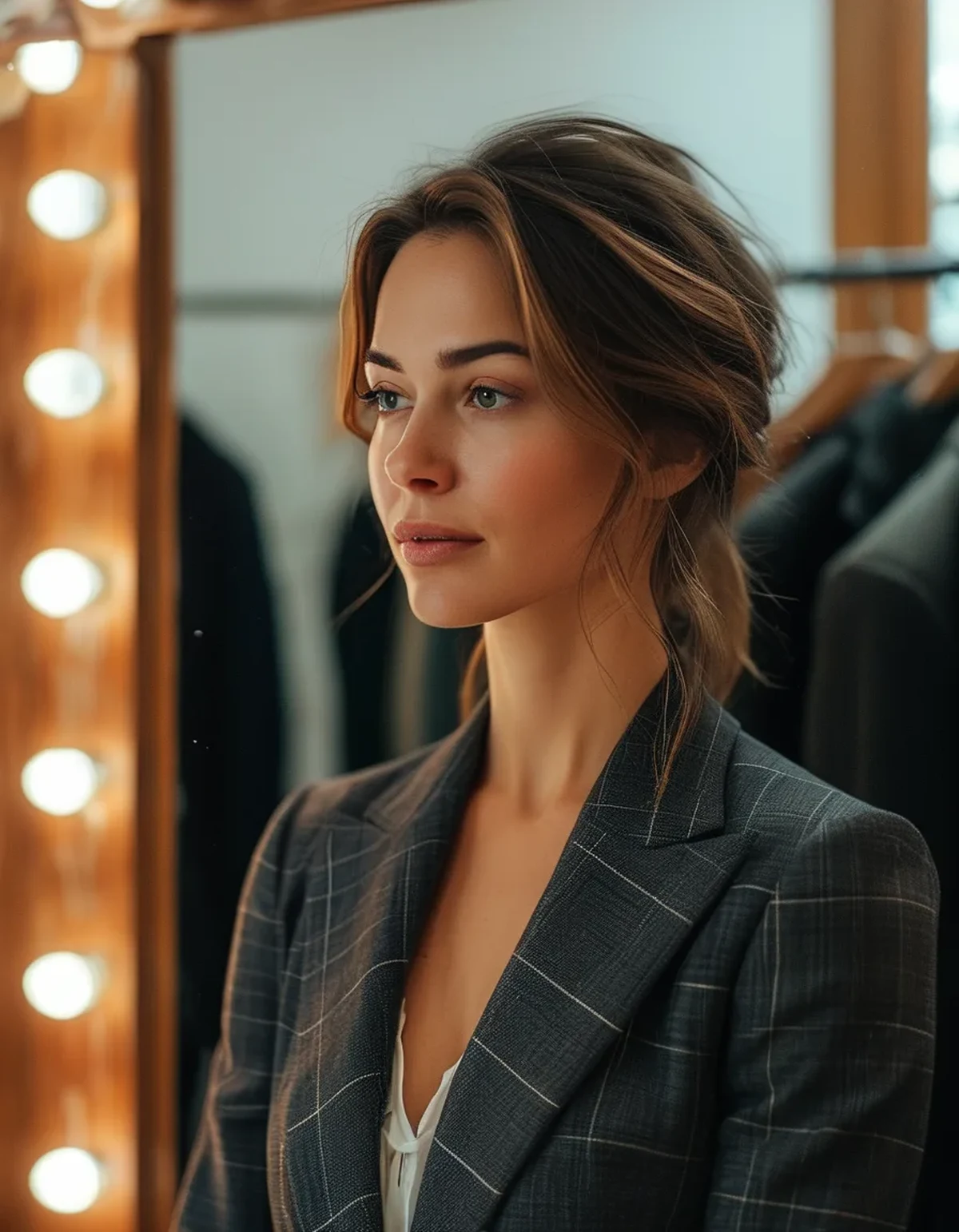
A classic silhouette sits close to the natural shoulder line without extreme padding, has a lapel width in the moderate range (roughly 2.5-3.5 inches), and follows the body’s natural waist without an exaggerated cinch or an oversized, boxy cut. These proportions have stayed relatively stable across decades of blazer design, which is what actually earns the ‘classic’ label.
Exaggerated shoulders, very wide or very narrow lapels, or an intentionally oversized boyfriend cut are current-trend interpretations — often beautiful, but tied to a specific style moment rather than a decades-stable proportion.
Does fabric choice affect how ‘classic’ a blazer reads?
Yes — solid, medium-weight wool or wool-blend fabric in a neutral color reads as classic far more reliably than novelty textures, bold patterns, or very lightweight fabric that drapes in a currently-trendy way. Fabric weight also affects how the blazer holds its structure over years of wear, which matters for both style longevity and literal durability.

Myth vs Fact: Classic Blazer Shopping
Myth: A higher price always means a more classic, timeless design. Fact: Price reflects material and construction quality, not silhouette timelessness — an expensive blazer can still have a trend-specific cut that dates within a couple years.
Myth: Double-breasted blazers are inherently less classic than single-breasted. Fact: Double-breasted has been a stable classic silhouette for decades too — the trend risk comes from exaggerated lapels or unusual button placement, not the double-breasted format itself.
Myth: A blazer needs to be boring to be classic. Fact: Classic doesn’t mean plain — a well-chosen color or subtle texture in an otherwise classic silhouette still reads as timeless, not trendy.
What details should make you pause before buying?
Unusual lapel shapes (very peaked, notched at an extreme angle), heavy decorative hardware, an asymmetric closure, or a silhouette description using words like ‘oversized,’ ‘boxy,’ or ‘cropped’ as the main selling point are all signals the piece is designed around a current trend cycle rather than long-term wear.
FAQ: Classic Blazer Shopping Questions, Answered
Is black always the safest ‘classic’ blazer color?
Black, navy, and camel all function as classic neutrals — black isn’t uniquely safer, and navy or camel can actually be more versatile for pairing with a wider color range.
How do I know if a fit is ‘classic close’ versus just too small?
A classic fit should allow a layer underneath (like a blouse) without pulling at the button, with the shoulder seam sitting at your actual shoulder point, not sliding down your arm.
Should I avoid all blazer trends completely?
Not necessarily — owning one genuinely classic blazer as a base, then adding trend pieces separately if you enjoy them, gets the longevity benefit without missing out on current style.
TL;DR:
- Classic silhouettes sit close to the natural shoulder with moderate lapel width
- Solid, medium-weight neutral fabric reads more timeless than novelty textures
- Price doesn’t predict timelessness — construction quality and silhouette are separate things
- Watch for ‘oversized,’ ‘boxy,’ or extreme lapel shapes as trend-cycle signals
One genuinely classic blazer as your base gives you the longevity, while trend pieces can be added separately without the risk.
Keep Reading
This article is for general styling and informational purposes only. Trends, sizing, availability and pricing may vary by brand and season.