Classic vs. Boring: What Actually Separates the Two (It's Not What You Think)
Quick Answer: The difference between classic and boring almost always comes down to fit precision and one deliberate point of contrast — a texture, an unexpected proportion, or a single modern detail. Identical classic pieces styled without that contrast read as flat rather than timeless.
You own the trench coat, the white shirt, the tailored trouser — all the ‘classic’ pieces the style guides recommend. And somehow the outfit still feels like it’s missing something. It usually is, and it’s more specific than you’d guess.
Why Fit Precision Matters More in Classic Pieces Than Trend Pieces
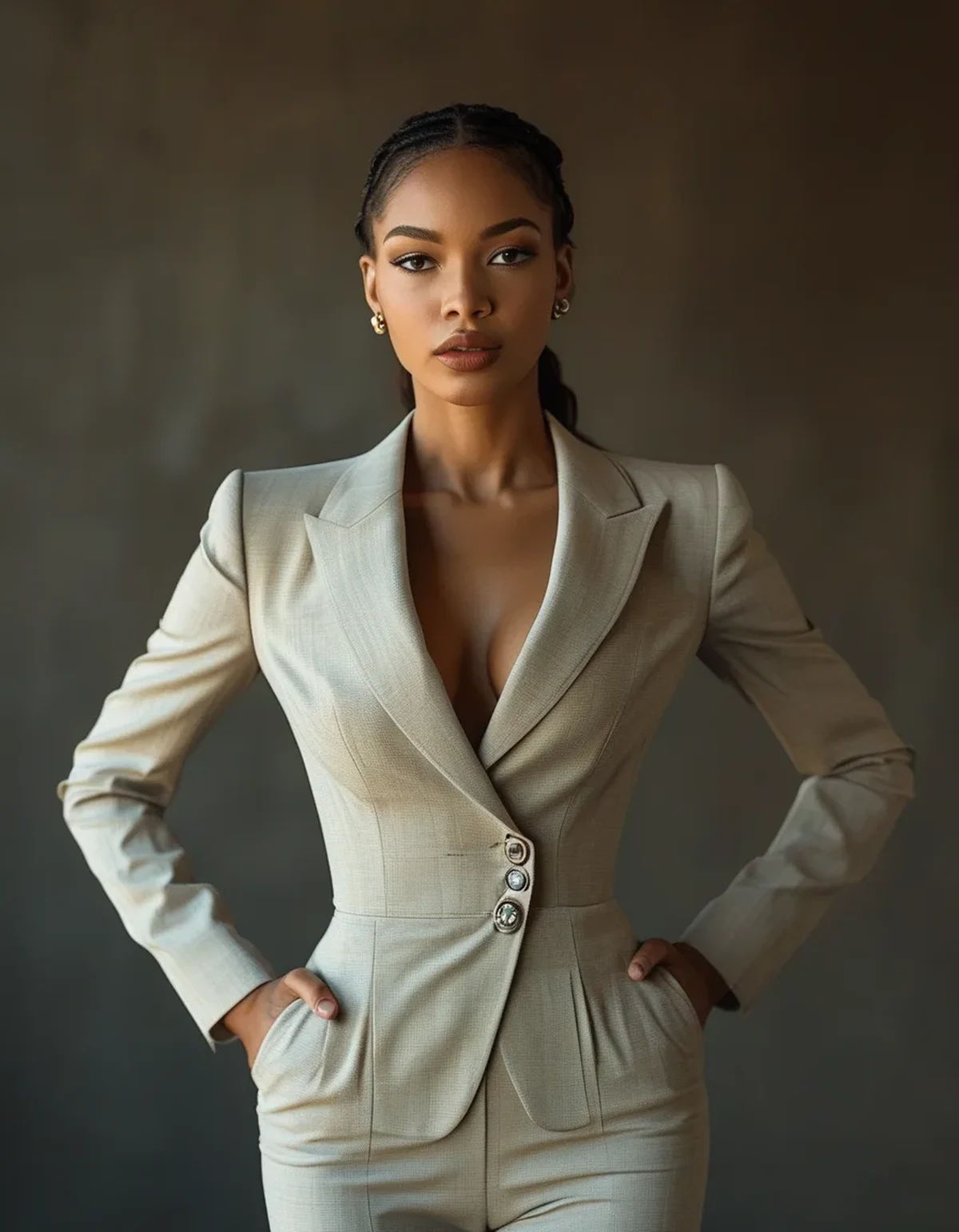
Trend pieces get away with imperfect fit because the trend itself carries visual interest. Classic pieces have no trend to hide behind — a slightly-too-long trouser or a shirt that gapes at the button carries the entire visual weight of the outfit, since there’s nothing else distracting from it. This is why classic dressing actually demands more fit precision, not less, than trend-driven dressing does.
The One-Contrast Rule That Separates Classic From Boring
A perfectly fitted classic outfit with zero points of contrast — same era, same formality, same texture throughout — reads as safe rather than intentional. Adding one deliberate point of contrast (a textured knit under a crisp blazer, a slightly oversized trouser with a fitted top, a modern sneaker with tailored pieces) is usually what separates ‘classic’ from ‘boring’ in outfits that are otherwise nearly identical.
Why Proportion Play Works Better Than Adding Trend Pieces
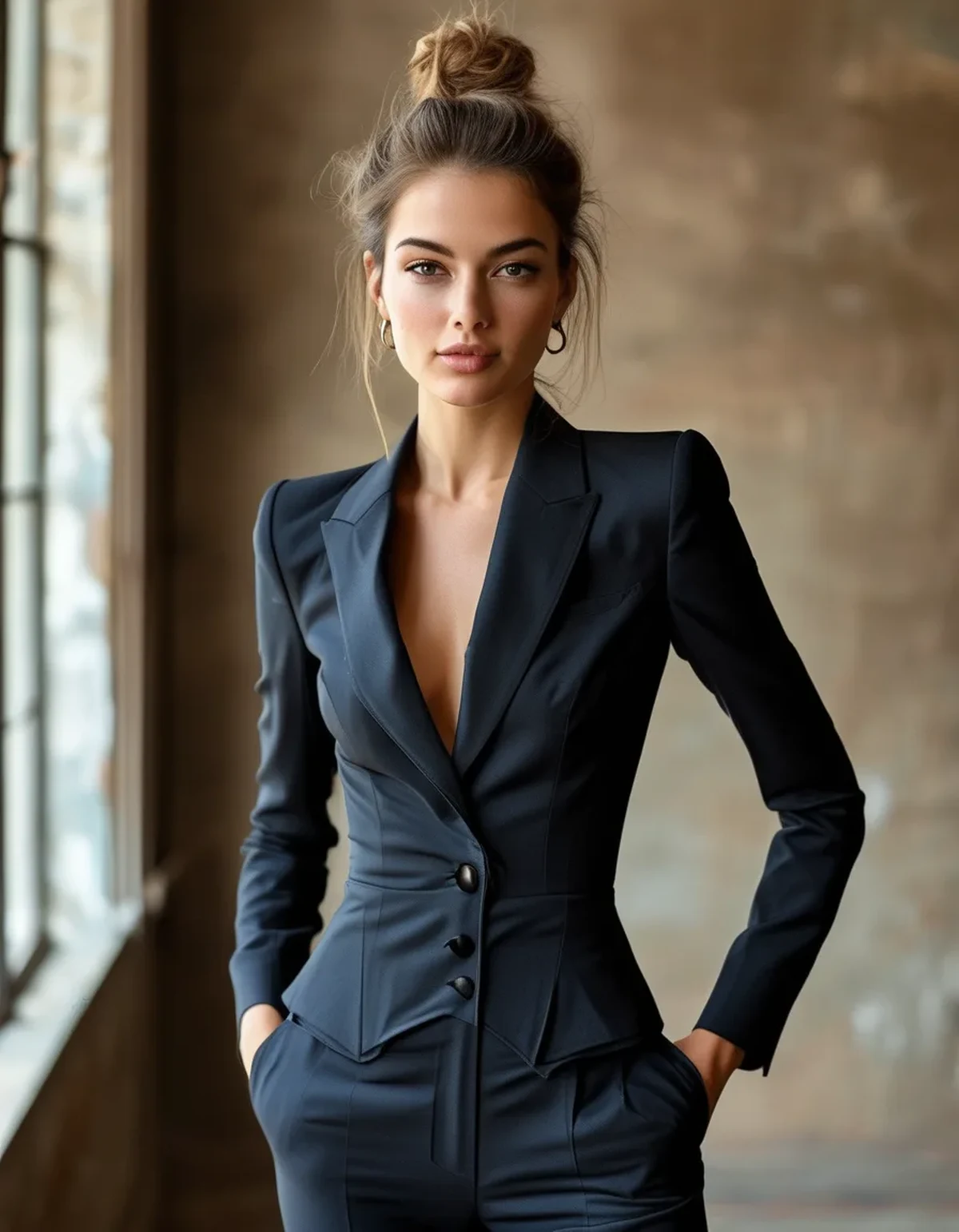
Rather than adding an obviously trendy item to a classic outfit (which can date it quickly), playing with proportion — an oversized blazer over a fitted piece, a cropped jacket with wide-leg trousers — creates visual interest using entirely classic, non-trend pieces. This keeps the outfit timeless in a literal sense (it won’t look dated in five years) while still avoiding the flatness of uniform, expected proportions.
What Nobody Tells You About Texture in Classic Dressing
Monochromatic or tonal classic outfits (all camel, all navy, all black) can look either expensive and intentional or completely flat, and the deciding factor is almost always texture variation — a smooth wool trouser against a nubby knit, a matte cotton shirt under a slightly sheened blazer. Without texture contrast, a tonal outfit loses definition and reads as one flat block of color in photos and in person.
FAQ: Classic Style Questions, Answered
Is it possible to be too minimal for classic style to work?
Yes — extreme minimalism with zero contrast in texture, proportion, or one styling detail is exactly what tips classic into boring; classic style still needs at least one intentional point of interest.
What’s an easy first step to make a classic outfit feel less flat?
Start with texture: swap one smooth-fabric piece for a textured equivalent (a ribbed knit instead of a smooth sweater) while keeping the rest of the outfit the same.
Does adding one trendy accessory ruin the timelessness of a classic outfit?
Not if it’s a single, easily swappable piece like a bag or shoe — the core classic pieces remain timeless, and a single trend accessory can be updated as trends shift without needing to rebuild the whole outfit.
TL;DR:
- Classic pieces demand more fit precision than trend pieces since there’s no trend to distract from imperfect fit
- One deliberate point of contrast (texture, proportion, or a modern detail) separates classic from boring
- Proportion play keeps outfits timeless while still avoiding visual flatness
- Texture variation is what keeps monochromatic classic outfits from reading as one flat block
The classic pieces themselves were never the problem — it’s whether they’re styled with fit precision and one deliberate point of contrast that determines whether they read as timeless or forgettable.
Keep Reading
This article is for general styling and informational purposes only. Trends, sizing, availability and pricing may vary by brand and season.