How to Keep a Classic Wardrobe From Reading as Dated
Quick Answer: The line between ‘classic’ and ‘dated’ usually comes down to proportion and small styling choices, not the core pieces themselves — a well-tailored blazer or trouser stays timeless, but pairing it with a slightly updated proportion, current shoe silhouette, or modern accessory keeps the whole look from reading as stuck in a previous decade.
Classic pieces are called classic because they don’t need replacing — but how they’re styled around does need occasional small updates to avoid drifting into dated territory.
What’s the actual difference between ‘classic’ and ‘dated’?
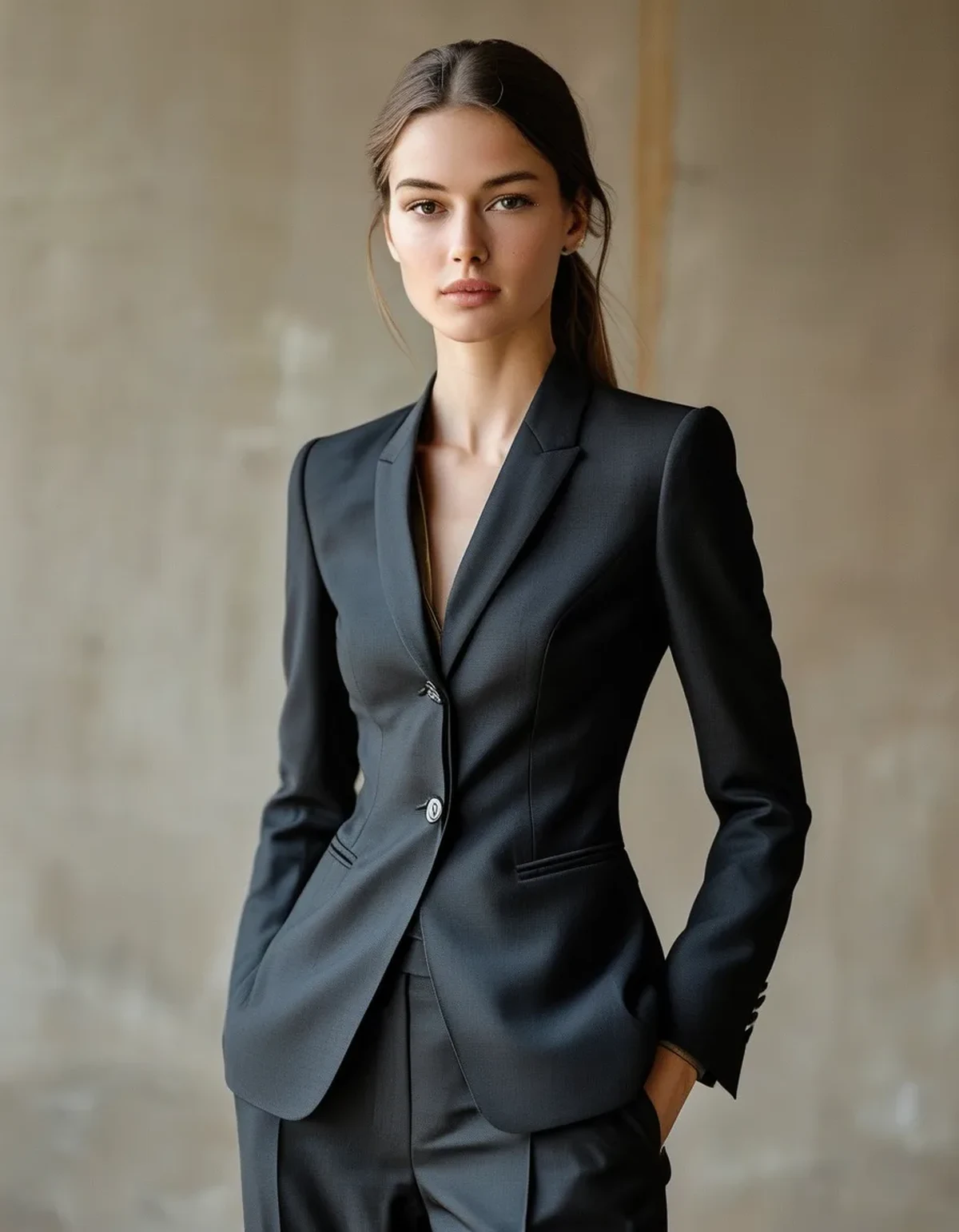
Classic pieces have a proven, enduring silhouette — a tailored blazer, straight trousers, a simple button-down — while ‘dated’ usually refers to specific styling choices from a particular era (certain shoulder pad sizes, exact hemlines, specific accessory pairings) that haven’t aged as gracefully as the core garment itself.
Which styling elements update a classic look most effectively?
Shoes and accessories shift trend cycles faster than core garments, so updating these — a current bag silhouette, a modern shoe shape — refreshes an outfit built around otherwise timeless pieces without needing to replace the classic pieces themselves.

Does proportion play a role in whether classic pieces read as current?
Yes — even a genuinely well-made blazer or trouser can look dated if the proportion (an overly boxy cut, a specific rise) reflects an older silhouette trend rather than a more universally flattering, updated fit through the shoulder and waist.
5 Signs a Classic Piece Needs a Styling Refresh
- It’s always paired with the same accessories from when it was purchased. 2. The proportion feels notably boxier or slimmer than what currently looks balanced. 3. It’s only worn with shoes from the same era it was bought in. 4. No newer pieces in the wardrobe have been paired with it. 5. It hasn’t been re-evaluated in the mirror in a long time, just repeated out of habit.
FAQ: Classic Wardrobe Update Questions, Answered
Do I need to replace classic pieces to keep them from looking dated?
Usually not — updating the styling around them (shoes, accessories, layering) solves most of the dated impression without needing to replace well-made core pieces.
How often should a classic wardrobe be reassessed for updates?
A loose seasonal check-in, rather than a rigid schedule, is usually enough to notice if certain pairings have started to feel stuck rather than intentional.
Is it possible for a piece to be too classic to ever look dated?
Some extremely simple, minimal designs (a plain white shirt, black trousers) are close to immune to dating, but even these benefit from occasional styling refreshes around them to stay looking current rather than routine.
TL;DR:
- ‘Dated’ usually refers to specific styling choices, not the classic garment itself
- Shoes and accessories are the fastest way to refresh a classic outfit
- Proportion affects whether even well-made classics read as current
- A loose seasonal styling check-in keeps a classic wardrobe from feeling stuck
Classic pieces rarely need replacing, but the styling built around them benefits from small, regular updates to avoid drifting into dated territory.
Keep Reading
This article is for general styling and informational purposes only. Trends, sizing, availability and pricing may vary by brand and season.