Elevating Timeless Staples With a Statement Detail
Quick Answer: Pick one statement detail — a bold belt, a sculptural earring, a vivid bag — and let everything else stay classic. One surprise reads as intentional; three read as costume. The fastest version is buying the statement built in, like a plain coat with unexpected buttons.
You own the white shirt. You own the good trousers. You put them on, look in the mirror, and think: nice.
Nice is fine. Nice is also forgettable.
The gap between classic-and-safe and classic-and-striking is usually one object — and it’s smaller than a shopping trip.
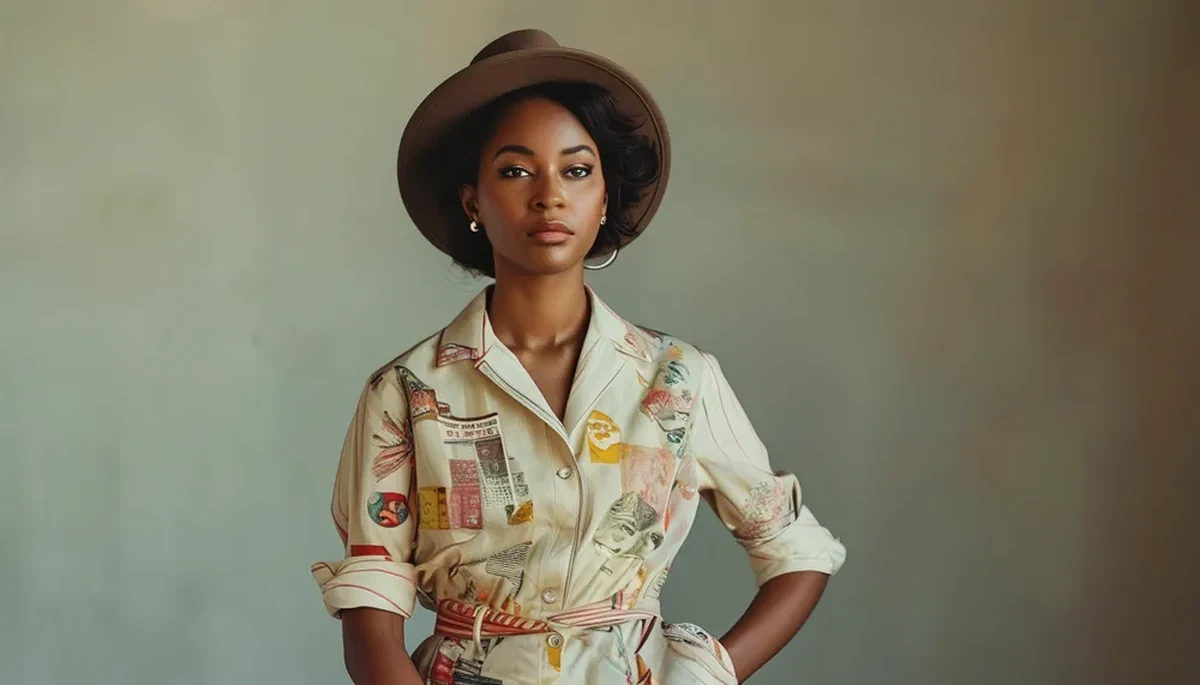
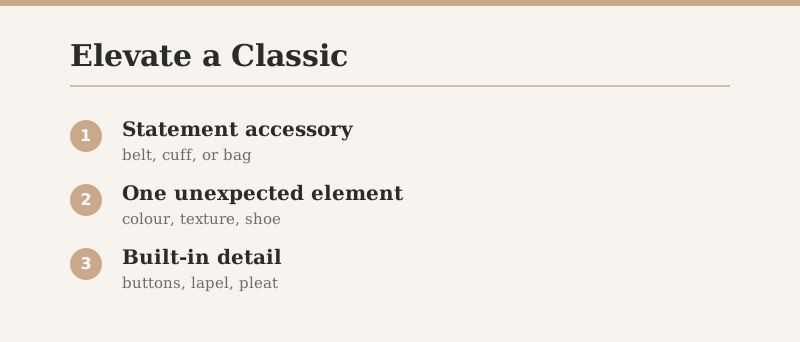
What is the one-statement rule?
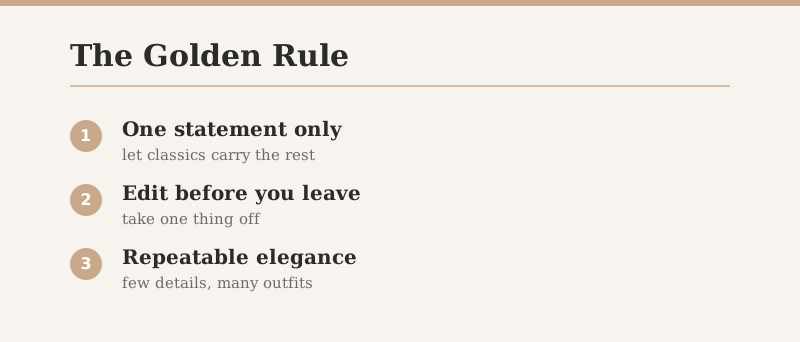
Choose a single bold element and let the classics carry everything else.
That’s the whole game, and it works because contrast needs a quiet background. A sculptural earring against a plain black turtleneck is arresting. The same earring with a printed blouse, a stacked cuff and a patterned bag is just noise wearing three other things.
Two or three competing statements muddy the look and drag it toward costume. One perfectly chosen detail elevates the entire outfit. When in doubt, take something off before you leave — the edit is where elegance actually lives.
Which statement accessory should you start with?
The reliable openers are a bold belt, an oversized cuff, a sculptural earring or a vivid bag.
A belt is the most under-used of the four. Cinching a boxy blazer or a straight-cut trouser with a wide belt in a strong color changes the silhouette and adds the focal point, which is two jobs from one object.
Earrings work hardest on days you’re mostly seen from the chest up — a commute, a video call, a lunch. A bag works hardest when the outfit is head-to-toe neutral and needs one place for the eye to land.
Cost note: this is the cheapest elevation available. One $60 belt restyles eight outfits. One $60 top restyles one.
How do you add an unexpected element without it looking random?
Anchor the surprise to the outfit’s most neutral zone.
A flash of bold color, an interesting texture, an architectural shoe — set against timeless staples, the one unexpected thing becomes the detail people remember. The restraint everywhere else is what gives it power.
The test: if you removed the statement, would the remaining outfit still be complete and correct? If yes, your surprise is decoration and it will read as deliberate. If the outfit falls apart without it, the piece is doing structural work, and you’re probably wearing two statements without noticing.
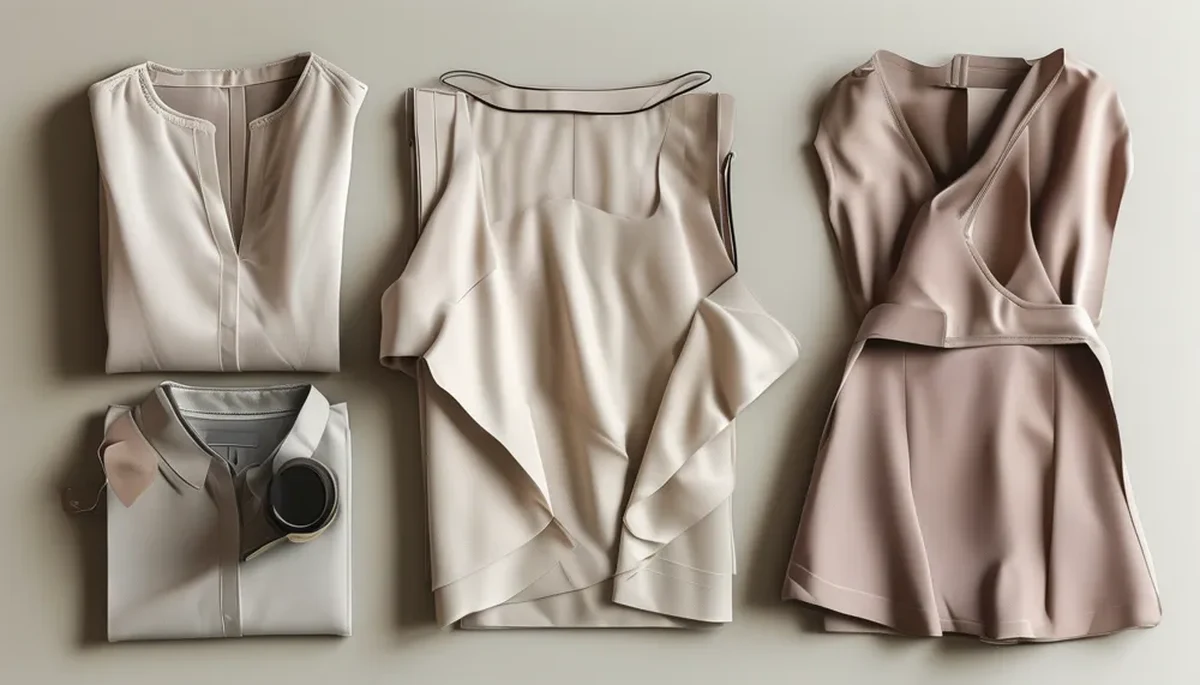
Can you buy classics with the statement already built in?
Yes, and it’s the smartest version of this whole approach.
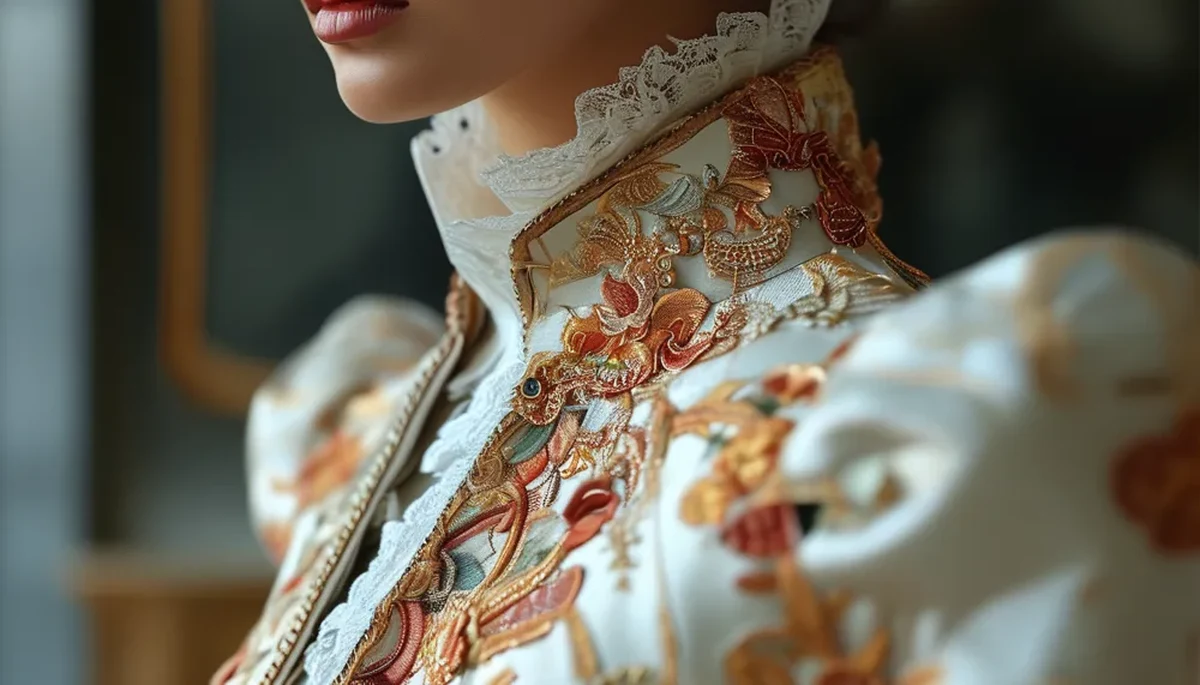
A classic coat with striking buttons. A blazer with an unexpected lapel. Trousers with a sculptural pleat. A shoe with an unusual heel shape in an otherwise plain silhouette.
The piece arrives pre-elevated, so you get the effect on the mornings you have no styling energy at all — which, realistically, is most of them. It also solves the accessory-drawer problem: you can’t forget to add the detail if the detail is sewn on.
Myth vs Fact
Myth: More statement pieces means more style. Fact: Statements compete. Two loud items don’t double the impact — they halve each other’s, because the eye has nowhere to rest.
Myth: Statement details have to be expensive. Fact: Scale and shape carry more visual weight than price. A wide resin cuff can outperform a delicate expensive one, because the eye reads silhouette before it reads material.
Myth: Classic means neutral colors only. Fact: Classic refers to shape — the trench, the straight trouser, the crew neck. A trench in deep red is still a classic. The color is your statement.
Myth: Accessories are the finishing touch, added last. Fact: If you pick the statement first and build the neutrals around it, you’ll do it in half the time and never end up with three competing pieces.
How many statement pieces do you actually need?
Three or four, honestly.
One great belt, one sculptural earring, one bold bag, maybe one architectural shoe. Rotated across the same handful of classics, that’s weeks of visibly different outfits from a closet that hasn’t grown.
You’re not buying more clothes; you’re buying more combinations. Five classics and four statements gives you twenty distinct looks before you’ve repeated a pairing — which is the most economical elegance there is, and the reason a small wardrobe often looks better than a large one.
FAQ
Can a print count as the statement?
Absolutely. A leopard flat, a bold scarf or a striped knit can be the single loud element — just count it as your one, and keep the accessories quiet around it.
What if my whole wardrobe is neutral?
Then you’re in the ideal starting position. Neutral bases are exactly what statement details need. Add one bold accessory and you’ve unlocked the entire closet.
Does a watch or wedding ring count as a statement?
Not usually — everyday pieces you never remove read as part of you rather than part of the outfit. Unless it’s genuinely oversized or unusual, wear it freely and add your statement on top.
TL;DR:
- One statement, everything else classic. Two competing statements read as costume.
- Start with a bold belt, sculptural earring or vivid bag — the belt is the most under-used.
- Anchor the surprise to your most neutral outfit; if removing it leaves a complete look, it’ll read as deliberate.
- Classics with the detail built in do the work on low-energy mornings.
- Three or four statement pieces over five classics is already twenty outfits.
A statement detail is the difference between classic-and-forgettable and classic-and-striking. One bold accessory, one unexpected element, or one built-in detail — and always, always the one-statement rule.
Keep Reading
This article is for general styling and informational purposes only. Trends, sizing, availability and pricing may vary by brand and season.