How Many Statement Pieces Should One Outfit Actually Have?
Quick Answer: Classic styling generally works best with exactly one statement piece per outfit — everything else stays quiet and supportive. Two statement pieces compete for attention; zero can read as safe rather than intentional.
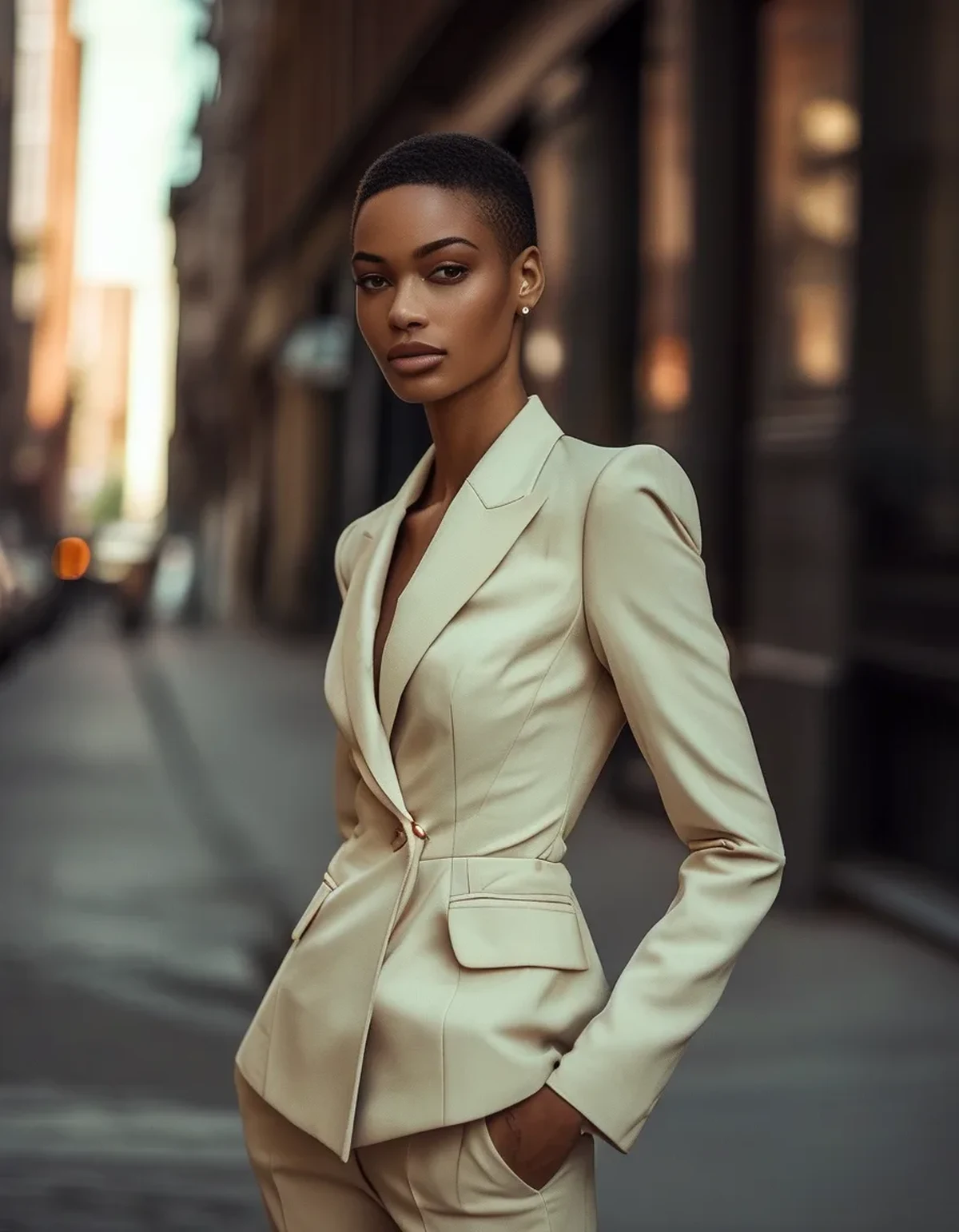
You love both the bold coat and the striking earrings, so you wear them together — and the outfit somehow reads less put-together than either piece alone would have. That’s the one-statement-piece principle at work, and it’s one of the most consistent rules in classic styling.
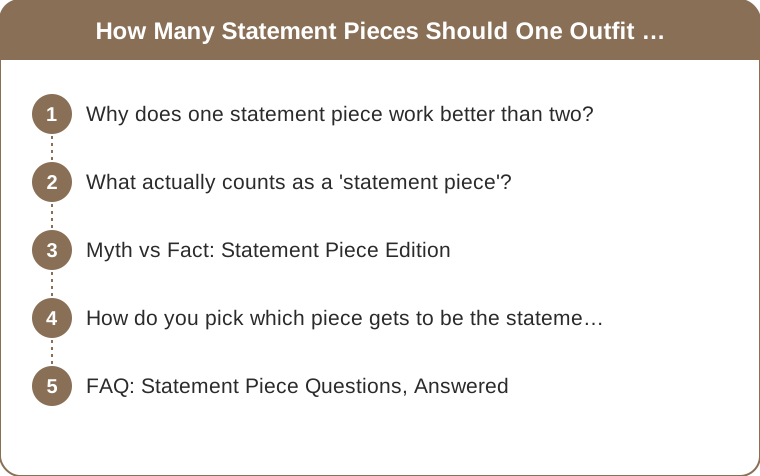
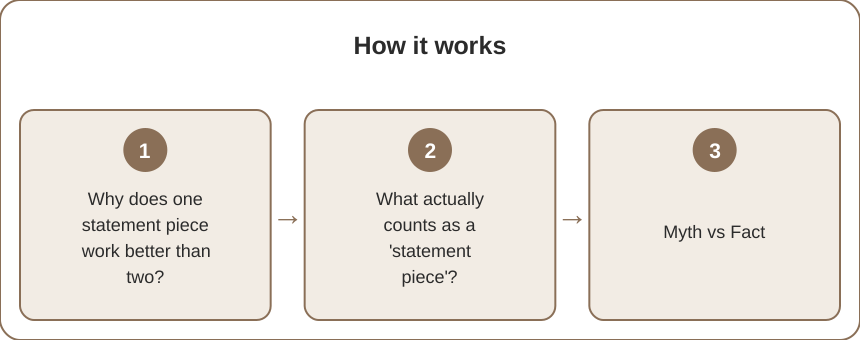
Why does one statement piece work better than two?
Because a statement piece’s entire job is to draw the eye first. With one, the eye lands, reads the outfit as intentional, and moves on to notice the fit and overall silhouette.
With two competing statements, the eye keeps bouncing between them and never settles — the outfit reads as busy or undecided rather than confident.
What actually counts as a ‘statement piece’?
Anything that would draw attention on its own: a bold color against neutrals, a striking silhouette, large jewelry, a bright print, or unusual texture. The test is simple — if you’d describe the piece first when describing the outfit, it’s the statement.
A quality basic in a classic cut, even if expensive, doesn’t count — it supports rather than announces.

Myth vs Fact: Statement Piece Edition
Myth: More statement pieces means more style confidence. Fact: Restraint around one piece usually reads as more confident than juggling several.
Myth: An outfit needs at least one statement piece to be interesting. Fact: A well-tailored, texturally interesting all-neutral outfit can be just as compelling — the statement-piece rule is about ceiling, not requirement.
Myth: Accessories don’t count toward the statement limit. Fact: A large statement necklace competes with a bold coat exactly the same way two clothing pieces would.
How do you pick which piece gets to be the statement?
Choose the piece that’s hardest to replace or most seasonal — a striking coat you’ll wear all winter usually outranks earrings you could swap any day.
Once you’ve picked it, deliberately downgrade everything else: swap the bold earrings for simple studs, the printed bag for a solid one. The statement piece needs the quiet frame to actually read as one.
FAQ: Statement Piece Questions, Answered
Can a print count as a statement piece?
Yes — a bold print functions exactly like a bold color or silhouette and should be the outfit’s only loud element.
Does the one-statement rule apply to evening wear?
It loosens somewhat for evening, where more drama is expected, but the core idea — one clear focal point — still helps avoid a cluttered look.
What if two statement pieces are both jewelry?
Treat them as competing regardless of category — pick the stronger piece and let the other sit out that day.
TL;DR:
- One statement piece per outfit reads intentional; two compete and read as busy
- A statement piece is whatever you’d mention first describing the outfit — including jewelry
- Choose the harder-to-replace or most seasonal piece as your statement
- Deliberately quiet everything else once you’ve picked your statement piece
The restraint is the style choice — let one piece carry the outfit and give it room to actually be seen.
Keep Reading
This article is for general styling and informational purposes only. Trends, sizing, availability and pricing may vary by brand and season.