The Little Black Dress: A Modern Owner's Guide
Quick Answer: A modern LBD needs one architectural detail — an interesting neckline, a sleeve, or real structure — rather than a plain sheath, in a fabric with weight (crepe, ponte, heavy jersey) at a length you’ll genuinely wear (knee to midi). Then dress it down with sneakers and denim, up with heels and metal. A good one should serve you for a decade.
Nearly a century after Chanel proposed it, the little black dress is still the most dependable thing in a wardrobe.
But “timeless” gets misread as “frozen,” and that’s how people end up with a plain black sheath hanging unworn since 2014, technically classic and functionally dead.
The LBD earns its keep only when it’s chosen and styled for now. Here’s the modern owner’s guide.
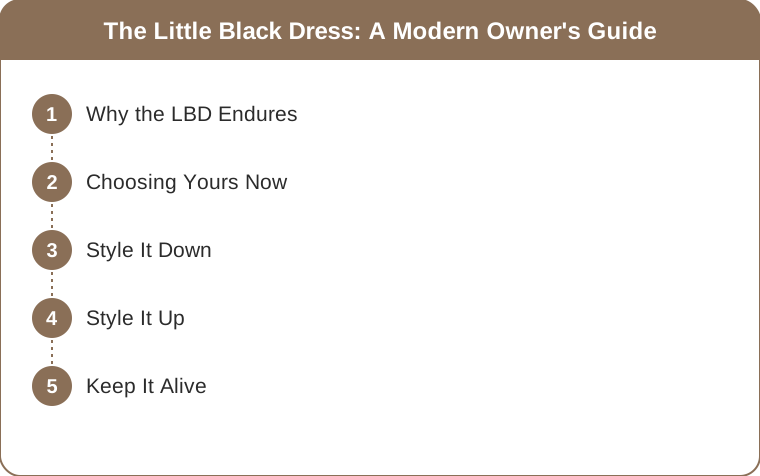
Why Has the Little Black Dress Lasted a Century?
Because it solves a problem no other single garment solves: one purchase that covers dinners, weddings, work events, funerals, dates and the days you have nothing to wear.
Three things make that possible:
- Black reads as intentional in nearly every context. It’s the one colour that’s simultaneously appropriate at a memorial and a cocktail party.
- It takes any accessory. Gold, silver, colour, print, texture — nothing clashes with black, which means the same dress genuinely does look different four ways.
- Nobody remembers it. Wear a distinctive green dress twice in a month and people notice. The LBD is styling camouflage, and that’s an underrated feature.
It’s the Swiss Army knife with a hemline. And like a Swiss Army knife, the specific model matters.
How Do You Choose an LBD That Looks Current?
The dividing line between a modern LBD and a dated one is almost always structure.
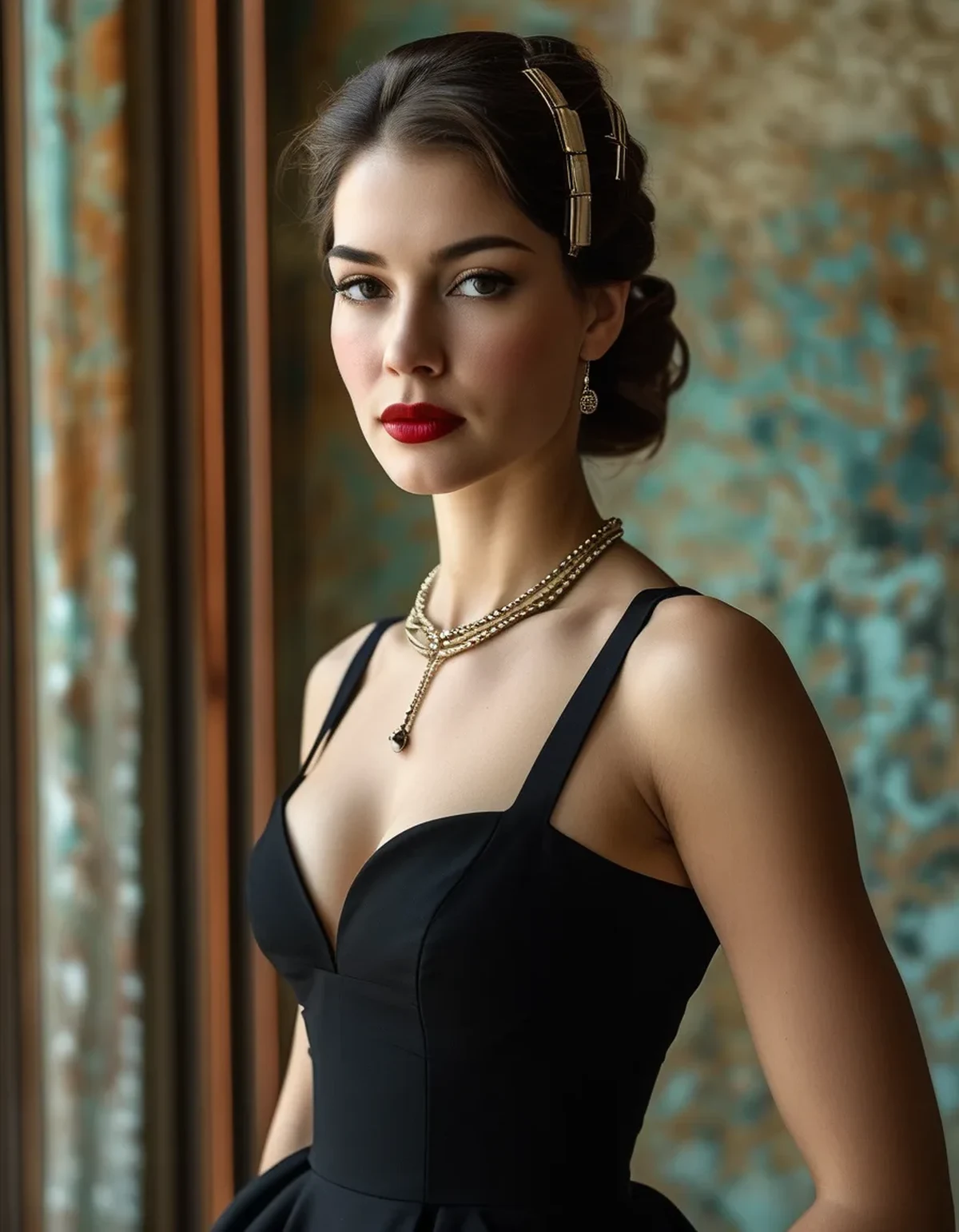
Look for one architectural detail. Not five — one. A square or asymmetric neckline, a defined shoulder, a puff or bishop sleeve, a wrap front, a cut-out at the waist, a bias-cut slip line. A single strong element keeps the dress reading as now while everything else stays neutral.
Choose fabric with weight. Crepe, ponte, heavyweight jersey, taffeta, structured cotton. Thin clingy jersey is where cheap black dresses give themselves away — weight is what makes black look expensive, because it holds a line instead of revealing every underlying detail.
Pick a length you’ll wear everywhere. Knee to midi is the versatile zone. A mini restricts you to a narrow set of occasions; a floor-length gown is a formal-wear purchase, not a workhorse.
Check the black. Not all blacks are equal. Hold candidates against each other in daylight — some read charcoal, some read washed-out, and a dress in a flat true black looks considerably better in photos.
Fit at the shoulders and waist first. Everything else is tailorable. Shoulders, largely, are not.
How Do You Dress an LBD Down?
The dress is only as formal as its companions, and this is where most people underuse theirs.
Daytime errands: white sneakers, a denim or leather jacket, a crossbody bag, minimal jewellery. Instantly casual, and considerably more put-together than the leggings alternative.
Vacation: flat sandals, a straw bag, sunglasses, hair up. A midi LBD is one of the best travel garments there is — it packs small, doesn’t wrinkle in the right fabric, and covers dinner and sightseeing both.
Autumn: boots (ankle or knee), opaque tights, a chunky cardigan or oversized coat over the top. The tights-and-boots version is a genuinely different dress.
Layered: a fitted turtleneck or long-sleeve tee under a sleeveless LBD turns a summer dress into a winter one. This trick alone doubles the wearing season.
How Do You Dress It Up Again?
Ten minutes from grocery run to dinner reservation:
- Heels — anything from a kitten heel to a strappy sandal, depending on the room.
- Metallic jewellery with some presence. A statement earring does more than a delicate necklace here.
- A structured bag, small. The shift from slouchy crossbody to structured clutch does a surprising amount of work.
- A red lip, still the LBD’s oldest friend and still undefeated.
- A blazer or a tailored coat over the top for anything client-facing or formal.
The exercise worth doing once: put the dress on and photograph yourself in four setups — sneakers, boots, flats, heels. You’ll see immediately which combinations work, and you’ll stop defaulting to one.
What Nobody Tells You About Owning an LBD
Black fades, and it fades unevenly. Wash cold, inside out, on a gentle cycle, and skip the dryer. A faded black dress is instantly recognisable as tired and no amount of styling rescues it.
Steam, don’t iron. An iron on crepe or ponte leaves a shine you can’t remove. A handheld steamer is the single best purchase for anyone who owns black dresses.
Store it on a padded or wide hanger, in a breathable garment bag if it’s seasonal. Wire hangers create shoulder bumps that never fully come out.
Lint is the real enemy. A black dress attracts everything. Keep a roller at home and a small one in the bag, and consider that part of the maintenance cost.
Re-hemming is cheap and transformative. If proportions shift and your knee-length dress starts feeling dated, a tailor can take it to midi for the price of a lunch. Rotate styling and alter before you replace.
One great LBD beats three mediocre ones. The mediocre ones don’t get worn, and they don’t have the fabric weight that makes the whole thing work.
What is the most flattering little black dress?
Generally one with waist definition, a neckline that suits your proportions, and fabric with enough weight to skim rather than cling. Wrap and fit-and-flare shapes suit the widest range of bodies, but the honest answer is whichever one fits well at the shoulders — that’s the part tailoring can’t fix.
How much should I spend on a little black dress?
Enough to get real fabric weight and good construction, since that’s what determines whether it looks expensive and lasts. A well-chosen dress worn dozens of times over a decade costs very little per wear — far less than several cheaper ones that never quite worked.
Can you wear a little black dress to a wedding?
In most cases, yes — black is broadly accepted at weddings now, particularly for evening events. Avoid anything that reads as overly funereal or overly bridal-adjacent, add colour through accessories, and check the invitation for a dress code or any cultural context that might make it inappropriate.
TL;DR:
- Choose one architectural detail — neckline, sleeve or structure — not a plain sheath.
- Fabric weight is what makes black look expensive. Crepe, ponte, heavy jersey.
- Knee to midi is the versatile length; fit the shoulders first, tailor the rest.
- Down: sneakers, denim jacket, boots and tights, a long-sleeve layer underneath.
- Up: heels, metal, structured bag, red lip. Ten minutes, different dress.
- Wash cold, steam don’t iron, re-hem instead of replacing. It should last a decade.
Keep Reading
This article is for general styling and informational purposes only. Trends, sizing, availability and pricing may vary by brand and season.