The One-Statement-Piece Rule: Why Classic Outfits Need Exactly One Loud Detail
Quick Answer: A classic outfit needs exactly one unexpected or bold detail — a statement earring, an unusual texture, a pop of color — to read as intentional rather than safe. Zero statement details reads as forgettable; two or more competes and reads as cluttered.
You’ve built a genuinely well-tailored, classic outfit and it still feels like it’s missing something — not wrong, just quiet in a way that reads as an afterthought instead of a choice.
Why does a perfectly classic outfit sometimes still look boring?
Classic pieces (trench coats, tailored trousers, crisp button-downs) are designed to be quiet by default — that’s their whole appeal, but quiet-everywhere reads as safe rather than deliberate. The eye needs one place to land that signals ‘this was chosen,’ not just ‘this was correct.’
Without that anchor detail, even expensive, well-fitted classic pieces can read as a uniform rather than an outfit.
What actually counts as ‘one statement piece’?
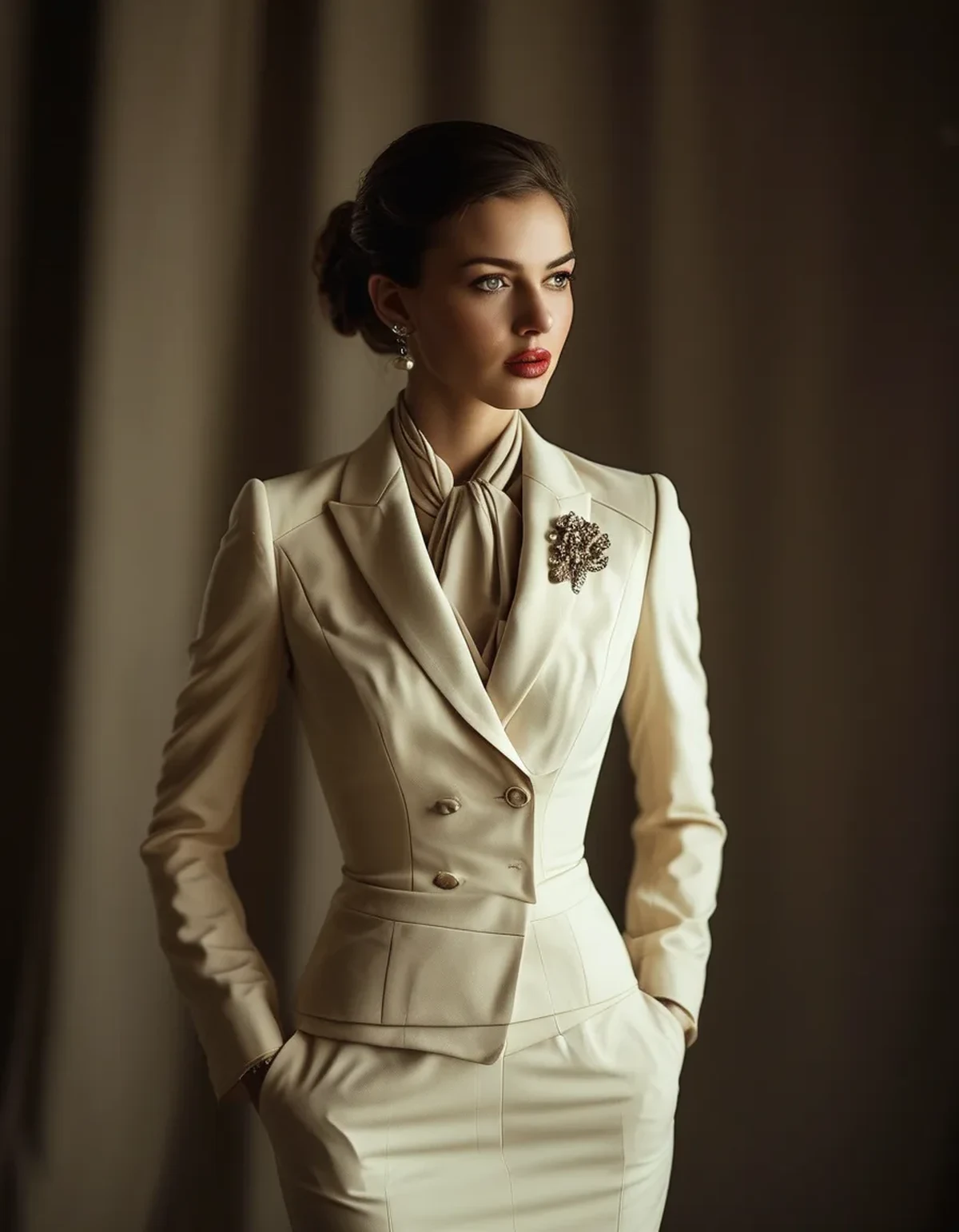
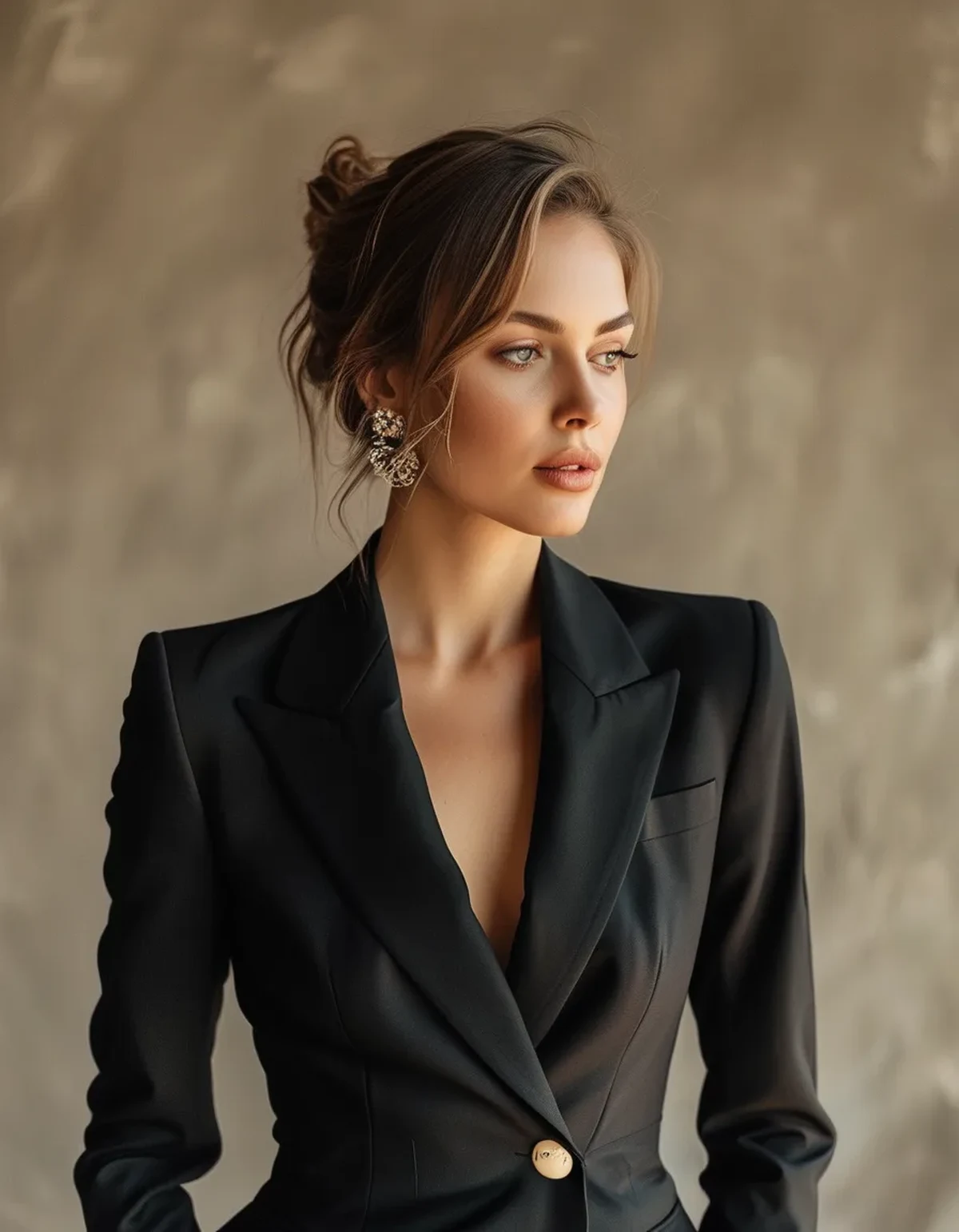
It can be one bold accessory (a sculptural earring, an unexpected bag color), one unexpected texture (a silk scarf against wool tailoring), or one color pop (a red shoe against all-neutral tailoring). The key is exactly one — not the earrings and the bag and the shoe all competing for attention.
The rest of the outfit should stay genuinely quiet to let that one piece do its job — adding a second ‘loud’ element usually cancels the effect of the first.
Myth vs Fact: The Statement Piece Rule
Myth: More statement pieces means more personality in an outfit. Fact: Multiple statement pieces compete for attention and often read as cluttered or undecided, the opposite of confident.
Myth: The statement piece needs to be expensive or rare to work. Fact: A $20 bold earring does the same visual job as a $200 one — the rule is about placement and restraint, not price.
Myth: Classic style means avoiding boldness altogether. Fact: Classic style specifically benefits from controlled boldness — one loud detail against a quiet background is a core technique, not an exception to classic dressing.
How do you pick which single piece should be your statement?
Choose whichever piece is closest to your face or hands for maximum visual impact per effort — earrings, a necklace, or a bag typically outperform a shoe as the anchor, since eye contact naturally travels there first.
Rotate which piece plays the statement role day to day, keeping everything else in the outfit quiet — this is how the same core wardrobe of classic pieces can look different and intentional across a week.
FAQ: Classic Style Statement Piece Questions, Answered
Can a bold lip or nail color count as my one statement piece?
Yes — beauty choices count in the same ‘one loud detail’ logic as accessories, and can free up your jewelry to stay quieter that day.
What if I genuinely can’t choose just one bold piece I want to wear?
Wear the one closest to your face that day, save the other for tomorrow — this also stretches your rotation further.
Does this rule apply to color as well as accessories?
Yes — one color pop against an otherwise neutral outfit follows the same logic as one bold accessory against otherwise plain pieces.
TL;DR:
- Classic outfits need exactly one bold or unexpected detail to read as chosen, not just correct
- Zero statement pieces reads as forgettable; two or more competes and clutters
- Pick the piece closest to your face or hands for the most impact per effort
- Rotate which single piece plays the statement role to keep a small wardrobe feeling fresh
Your classic outfit probably isn’t missing more pieces — it’s missing permission for just one of them to be loud.
Keep Reading
This article is for general styling and informational purposes only. Trends, sizing, availability and pricing may vary by brand and season.