10 Timeless Wardrobe Staples Every Woman Should Own
Quick Answer: Ten pieces form a timeless wardrobe: a white button-down, a trench coat, tailored trousers, a little black dress, a cashmere sweater, dark straight-leg jeans, white sneakers, classic pumps, a leather tote, and a wool coat. Buy the first four before anything else — with a change of shoes, they’ll take you from a 9am meeting to dinner. Quality of fit matters far more than brand name on every single one.
A trench coat designed in 1912 still looks correct today. Meanwhile, something bought eighteen months ago is already quietly dating you in photographs.
That gap is the entire argument for building a wardrobe core. Not because trends are bad — but because chasing them without a foundation means starting from zero every season.
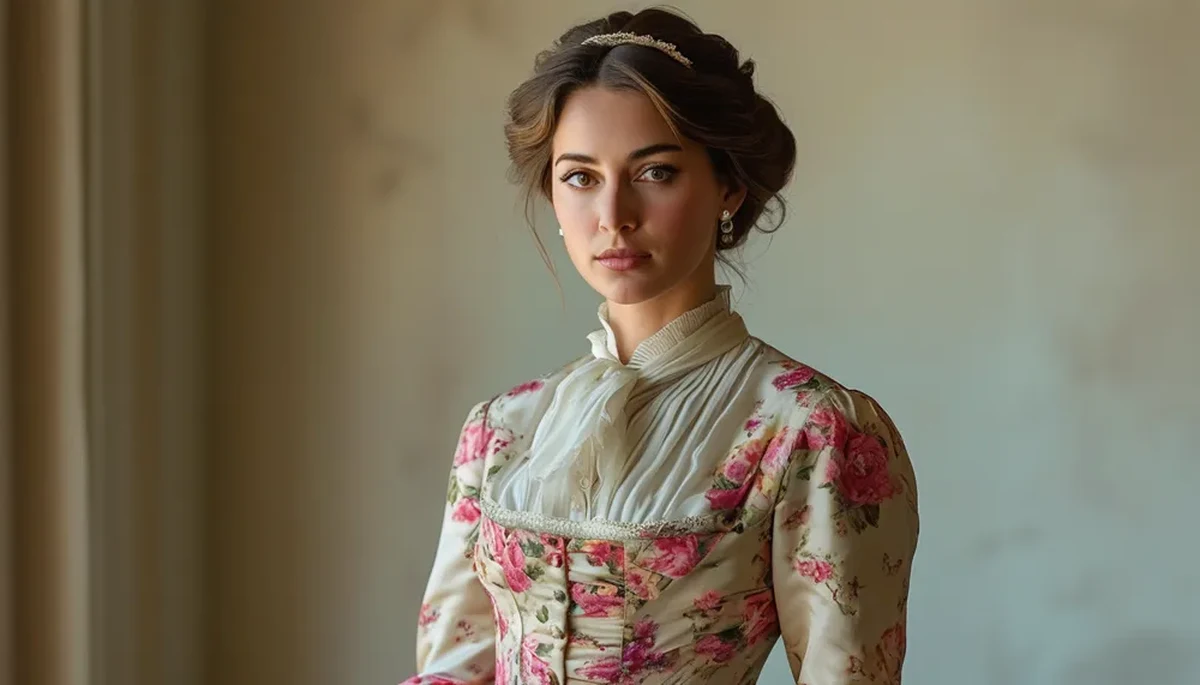
What Are the Non-Negotiable Wardrobe Basics?
Four pieces do the heavy lifting, and if your budget is limited these are where it should go.
The crisp white shirt. Under a blazer, open over a tee, tucked into jeans, worn as a beach cover-up. It’s the single most versatile garment ever designed. Look for a fabric with enough body that it doesn’t go transparent, and check that it doesn’t gape at the bust when you sit.
The trench coat. Works over a suit, over jeans, over a dress. Beige is the classic; navy and black are equally correct and slightly less expected. The belt should be tied, not buckled — buckling it reads as stiff.
Tailored trousers. The piece that instantly makes an outfit look considered. A straight or slightly wide leg in wool or a wool blend, hitting at the top of your shoe. These are worth having altered; almost nothing off the rack has the right hem length.
The little black dress. One simple shape in a good fabric that fits properly. Change the shoes and the jewelry and it covers a work event, a funeral, a dinner, and a party without complaint.
These four alone will carry you from a morning meeting to an evening out with nothing more than a change of shoes.
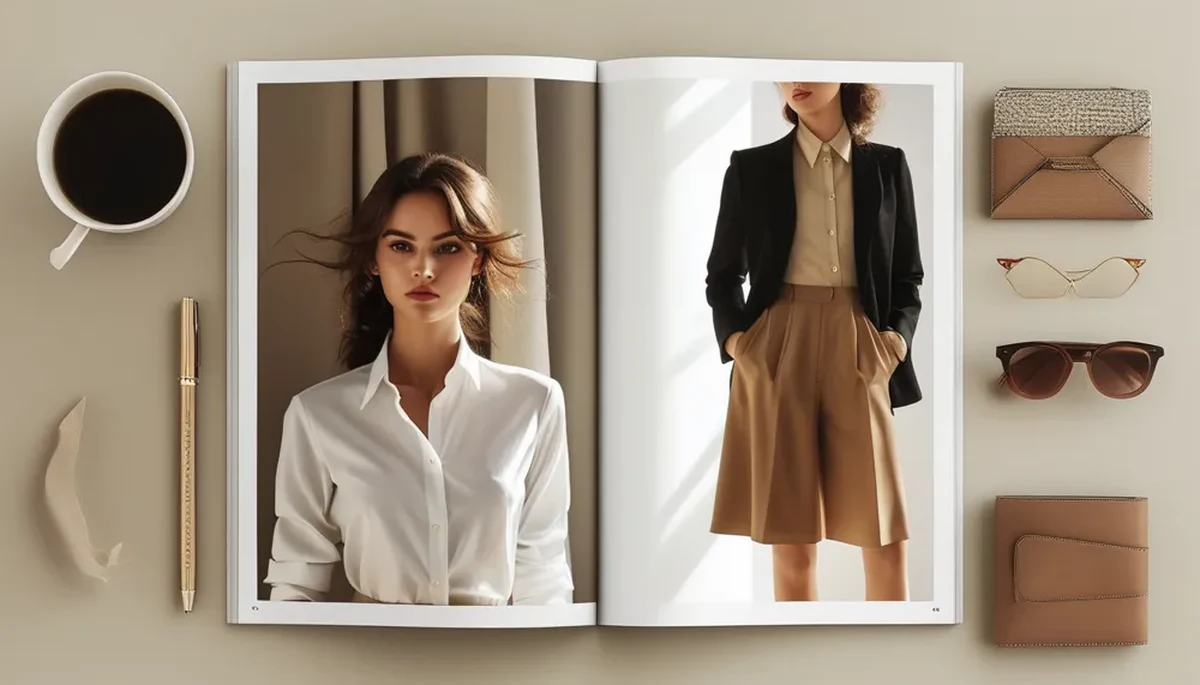
Why Does Investing Beat Buying Five Cheap Versions?
Classic dressing rewards patience, and the math is straightforward.
Five fast-fashion tops at £25 cost £125 and last a season each. One well-made blazer at £200 lasts eight years and looks better every time you wear it. Over a decade, the “expensive” option is cheaper and you looked considerably better the entire time.
But there’s a subtler point that matters more: quality fabric holds its shape. A good wool blazer keeps its lapel roll and shoulder line after a hundred wears. A cheap one loses its structure within a month and starts reading as sloppy no matter how carefully you press it. That structural memory is what makes you look put-together with zero effort — it’s doing work you don’t have to do.
One caveat worth stating honestly: expensive doesn’t automatically mean quality. Check the composition label, check the seams, and check the fit. A £60 piece with good fabric and a good cut beats a £300 piece with neither.
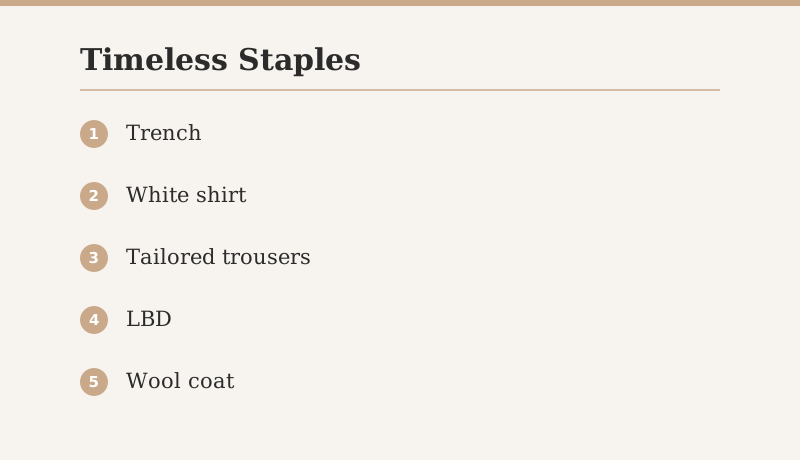
The Full List of 10
- White button-down — the most versatile garment ever made
- Trench coat — a hundred years of being correct, and counting
- Tailored trousers — instant polish, worth altering
- Little black dress — one shape, four occasions
- Cashmere sweater — buy one good one instead of three merino ones
- Dark straight-leg jeans — dark rinse dresses up, light rinse doesn’t
- Crisp white sneakers — replace them when they grey; that’s the whole maintenance plan
- Classic pumps — a heel height you can genuinely walk in beats a beautiful one you can’t
- Leather tote — structured enough to stand up, big enough for a laptop
- Tailored wool coat — the highest cost-per-wear item in your closet
Each one is a building block, not a statement — which is exactly why they last. Nobody looks at a white shirt and thinks “that’s from 2019.”
What Nobody Tells You About Building a Classic Wardrobe
Fit beats every other variable, including price. A £40 pair of trousers hemmed correctly outperforms a £300 pair that puddles at the ankle. Budget for alterations as part of the purchase price — roughly £15–£40 per garment — and suddenly a much wider range of clothes becomes worth buying.
“Timeless” doesn’t mean beige. A classic wardrobe can be navy, burgundy, forest green, or camel. What makes it timeless is the cut, not the absence of color. This is the misconception that turns a considered wardrobe into a dull one.
Buy the staples slowly. Attempting to acquire all ten in one month produces a wardrobe of compromises, because you’ll settle on six of them. One piece every couple of months, bought when you find the right one, produces a far better result.
Maintenance is half the strategy. Shoe trees in leather shoes, a cashmere comb for the sweater, a clothes brush for wool, and a repair rather than a replacement when a seam goes. Classic pieces reward care in a way disposable ones don’t — there’s no point buying a decade coat and then dry cleaning it to death in three years.
The list is a starting point, not scripture. If you never wear heels, skip the pumps and own two pairs of good flats instead. A wardrobe that ignores your actual life isn’t classic, it’s just theoretical.
How Do You Keep Classics From Looking Dated?
The beauty of a stable foundation is that one modern accessory updates everything.
This season’s shoe shape, a bag in a current silhouette, a piece of jewelry with some attitude — any of these refresh a white-shirt-and-trousers outfit instantly. Your foundation stays constant and you only refresh the accents, which is both cheaper and considerably less stressful than rebuilding a wardrobe annually.
Two practical rules for this: keep the trend spend to accessories and one garment per year, and let the trend item be the loudest thing in the outfit. Classics plus one modern piece reads as current. Classics plus four modern pieces reads as a costume.
For everyday wear, the same logic applies to casual pieces — a well-fitting pair of high waist leggings or straight-leg jeans functions as a modern base under any of the ten staples above, which is why the list holds up whether your week is meetings or school runs.
Frequently Asked Questions
How much should I spend on each wardrobe staple?
Spend most on the things worn closest to daily and hardest to fake: the wool coat, the trench, the leather tote, and the shoes. Spend least on the white shirt and the tee-adjacent pieces, since they wear out and need regular replacement regardless of price. A rough split: 60% of the budget on outerwear and shoes, 40% on everything else.
Which staple should I buy first if I can only buy one?
The tailored trousers, closely followed by the trench. Trousers change how every top you already own reads, so they upgrade your existing wardrobe rather than just adding to it. The trench comes second because it’s the piece other people actually see.
Do classic staples work if my style isn’t classic?
Yes — they function as the neutral ground your personal style sits on top of. Someone with a maximalist or edgy aesthetic still benefits from well-fitting trousers and a good coat, because those pieces let the expressive items stand out instead of competing. The ten items are infrastructure, not a personality.
TL;DR:
- Start with four: white shirt, trench, tailored trousers, little black dress
- Quality fabric holds its shape — that’s what makes it look effortless
- Fit beats price on every single item. Budget for alterations
- “Timeless” refers to cut, not color — navy and camel qualify
- Build slowly, one piece at a time, rather than acquiring all ten at once
- Maintain what you own: shoe trees, cashmere combs, repairs over replacements
- Update with one modern accessory, not a whole new wardrobe
Buy well, care for what you own, and you’ll spend far less over the years — while always looking like you know exactly what you’re doing.
Keep Reading
This article is for general styling and informational purposes only. Trends, sizing, availability and pricing may vary by brand and season.