Why Some 'Classic' Pieces Still Look Cheap (It's Rarely the Silhouette)
Quick Answer: Classic pieces read as cheap mainly from fabric quality and construction details (seam finishing, button weight, fabric drape), not from the silhouette itself — a well-drafted classic shape in a thin, stiff, or synthetic-feeling fabric will still look flat regardless of how timeless the cut is.
The silhouette gets all the credit or blame, but fabric and finishing are usually doing the real work of making a classic piece look elevated or not.
Why does silhouette alone not guarantee an expensive look?
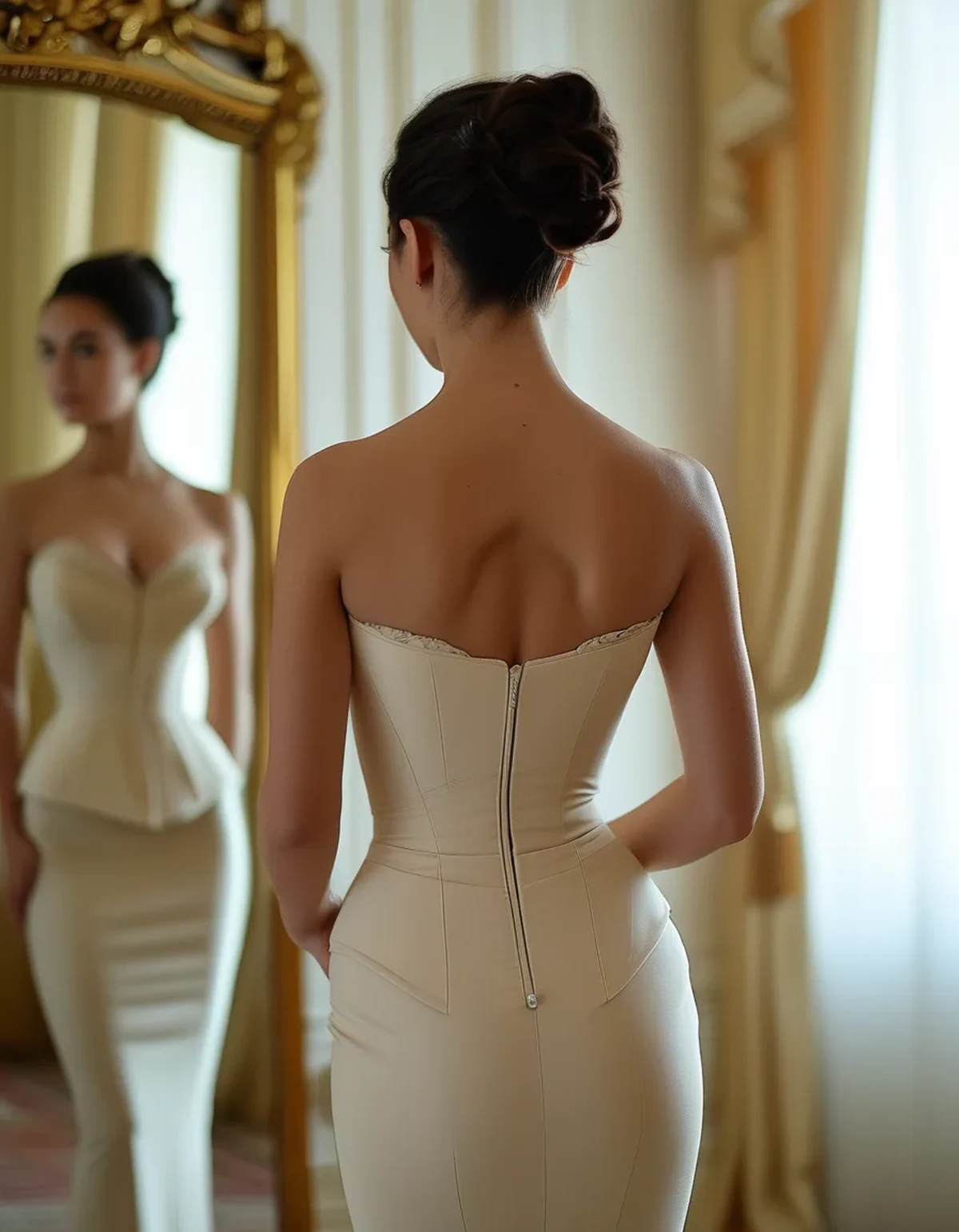
A perfectly classic cut executed in thin, stiff, or overly shiny fabric still reads as budget, because fabric drape and hand-feel are what the eye (and touch) register as quality before silhouette does.
This is why two blazers with an identical cut can look worlds apart in price perception — the difference is almost always in the fabric, not the pattern.
What specific details actually signal quality in classic pieces?
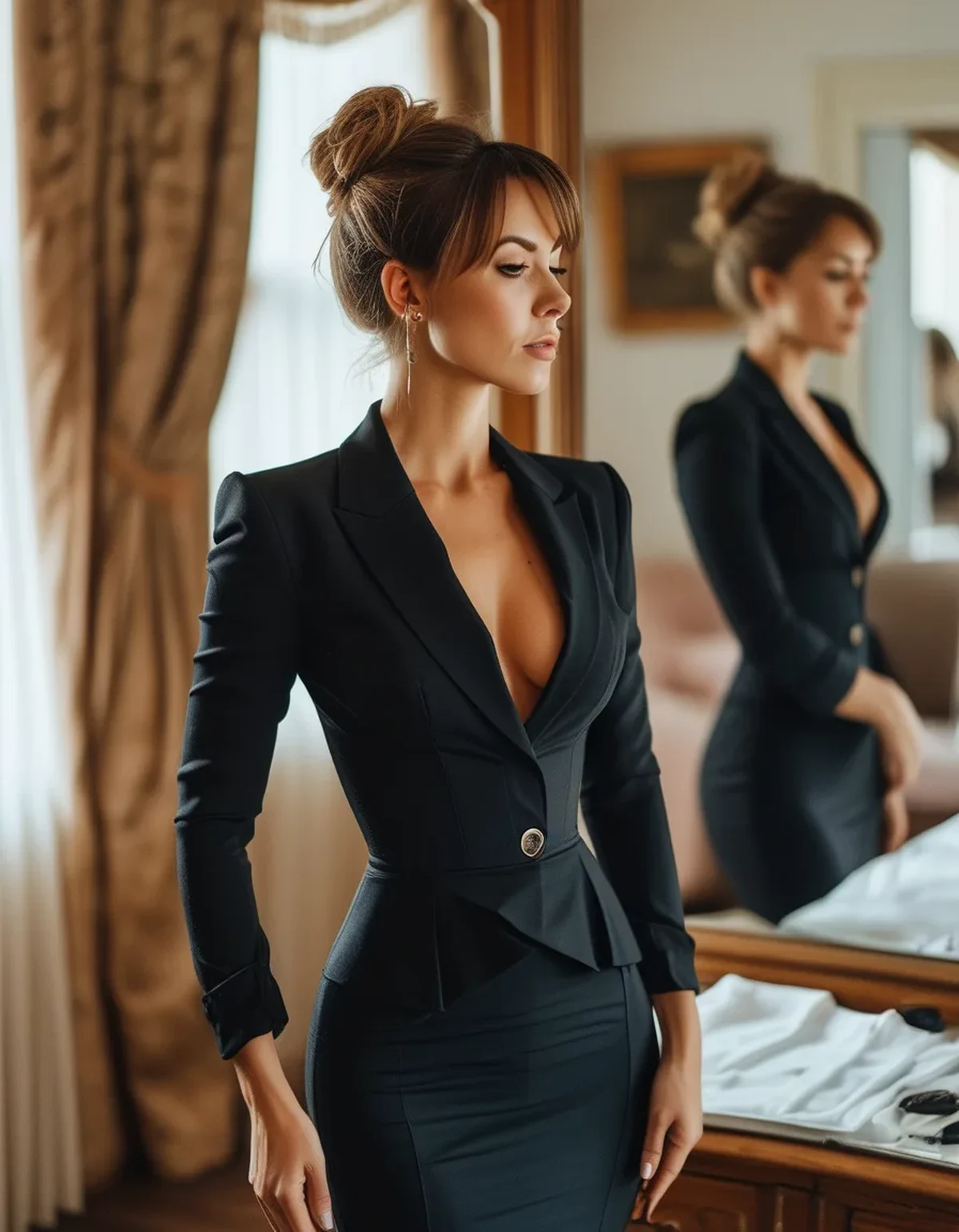
Seam finishing (clean, flat seams versus visible puckering), button weight (substantial versus light plastic), and lining quality are the details that separate elevated classic pieces from flat ones, and they’re checkable in under a minute while trying something on.
Fabric drape — how it falls and moves rather than sitting stiffly — is arguably the single biggest visual tell, more noticeable in photos and in motion than in a still mirror check.
Elevate Classics with a Statement: Does This Actually Work?
Adding one well-chosen statement piece (a structured bag, a distinctive shoe, bold jewelry) draws the eye toward intentional styling and away from any flatness in the base pieces, which is a legitimate styling strategy, not just a trend.
The key is restraint: one statement element per outfit, not several competing for attention, since a cluttered mix undercuts the same elevated effect it’s trying to create.
Does price always correlate with these quality signals?
Generally yes at the extremes, but there’s a wide middle range where mid-priced pieces can match or exceed the finishing quality of pricier ones, particularly from brands that specialize in classic basics rather than trend pieces.
Checking the specific construction details above, rather than relying on price or brand name alone, is a more reliable filter when shopping for genuinely elevated classic pieces on a range of budgets.
FAQ: Elevating Classic Wardrobe Pieces, Answered
Can tailoring fix a classic piece that looks cheap?
Tailoring helps fit but doesn’t change fabric quality or drape — a well-fitted piece in poor fabric still reads as flat, so tailoring is a complement to fabric quality, not a substitute.
Is it worth spending more on classic basics than trend pieces?
Generally yes — classic basics get worn far more often, so the cost-per-wear math favors investing there over trend pieces with a shorter lifespan.
How can I check fabric quality before buying, especially online?
Zoom into fabric close-up photos for weave texture, read reviews mentioning fabric feel specifically, and check the fabric composition listed — higher natural fiber content often (though not always) correlates with better drape.
TL;DR:
- Silhouette alone doesn’t determine whether a classic piece looks expensive
- Seam finishing, button weight, and fabric drape are the real quality tells
- One well-chosen statement piece can elevate an otherwise flat outfit
- Price correlates loosely with quality — checking construction details is more reliable
Next time a classic piece feels flat, check the fabric and finishing before blaming the silhouette.
Keep Reading
This article is for general styling and informational purposes only. Trends, sizing, availability and pricing may vary by brand and season.